

In today's fast-paced and complex work environments, the ability of an organization to withstand and recover from errors is not just a matter of convenience — it's a critical factor for long-term success and sustainability. Error-tolerant systems are designed to minimize the negative impacts of mistakes, ensuring that operations continue smoothly and efficiently, even when unexpected issues arise. Prioritizing error-tolerant systems enhances workplace safety, boosts productivity, and fosters a culture of continuous improvement. By understanding the importance of error-tolerant systems, organizations can take proactive steps to build resilience and achieve operational excellence.
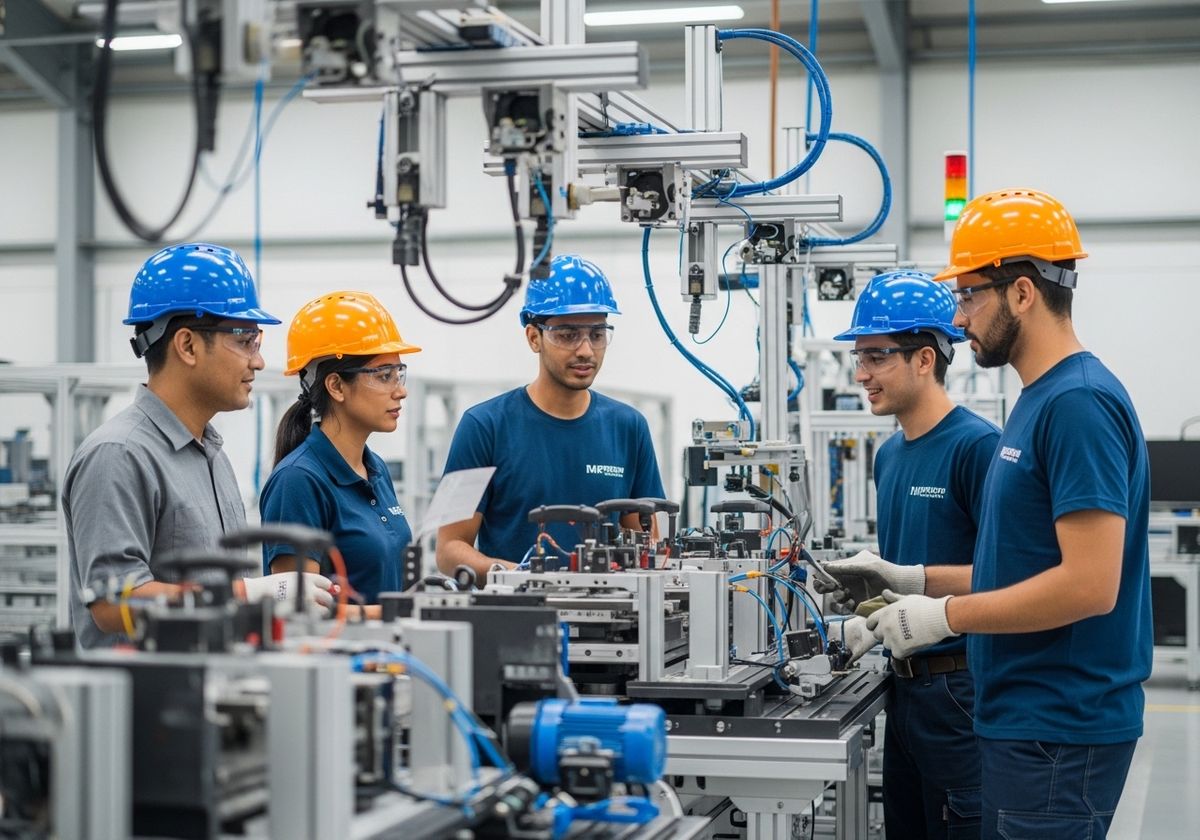
Enhancing Workplace and Occupational Safety
One of the most compelling reasons to invest in error-tolerant systems is the direct improvement in workplace safety. When systems are designed to anticipate and mitigate potential errors, the risk of accidents and injuries is significantly reduced. Error-tolerant systems incorporate safety measures such as redundant processes, fail-safe mechanisms, and clear, accessible procedures. These measures help prevent human errors from escalating into serious incidents, ensuring a safer working environment for all employees. Prioritizing occupational safety through robust error-tolerant systems demonstrates a commitment to the well-being of your workforce, fostering a culture of care and responsibility.
Boosting Productivity and Efficiency
Error-tolerant systems contribute to significant gains in productivity and efficiency. When errors are quickly detected and corrected, the disruption to workflow is minimized. This reduces downtime and allows employees to focus on their core tasks without the constant fear of mistakes derailing their progress. By implementing systems that provide real-time feedback, automated checks, and easy-to-follow protocols, organizations can streamline their operations and maximize output. Error-tolerant systems ensure that resources are used effectively and that productivity remains high, even under pressure.

Fostering a Culture of Learning and Improvement
Creating error-tolerant systems also supports a culture of continuous learning and improvement. When employees know that mistakes are viewed as opportunities for growth rather than sources of blame, they are more likely to report errors and near-misses. This transparency allows organizations to identify systemic weaknesses and implement targeted improvements. Error-tolerant systems encourage open communication, collaboration, and a proactive approach to problem-solving. By fostering a culture of learning, organizations can continuously refine their processes, enhance their performance, and stay ahead of the curve.
In conclusion, error-tolerant systems are essential for enhancing workplace safety, boosting productivity, and fostering a culture of continuous improvement. Fisher Improvement Technologies (FIT) helps organizations achieve operational excellence by reducing human errors and maximizing occupational safety. We offer consulting, mentoring, education, and proven technologies to improve safety, quality, effectiveness, efficiency, and productivity. Explore our training options, including on-site workshops/coaching, live virtual workshops/coaching, and self-paced online courses. Contact us today to learn more about how our solutions can help your organization thrive.