
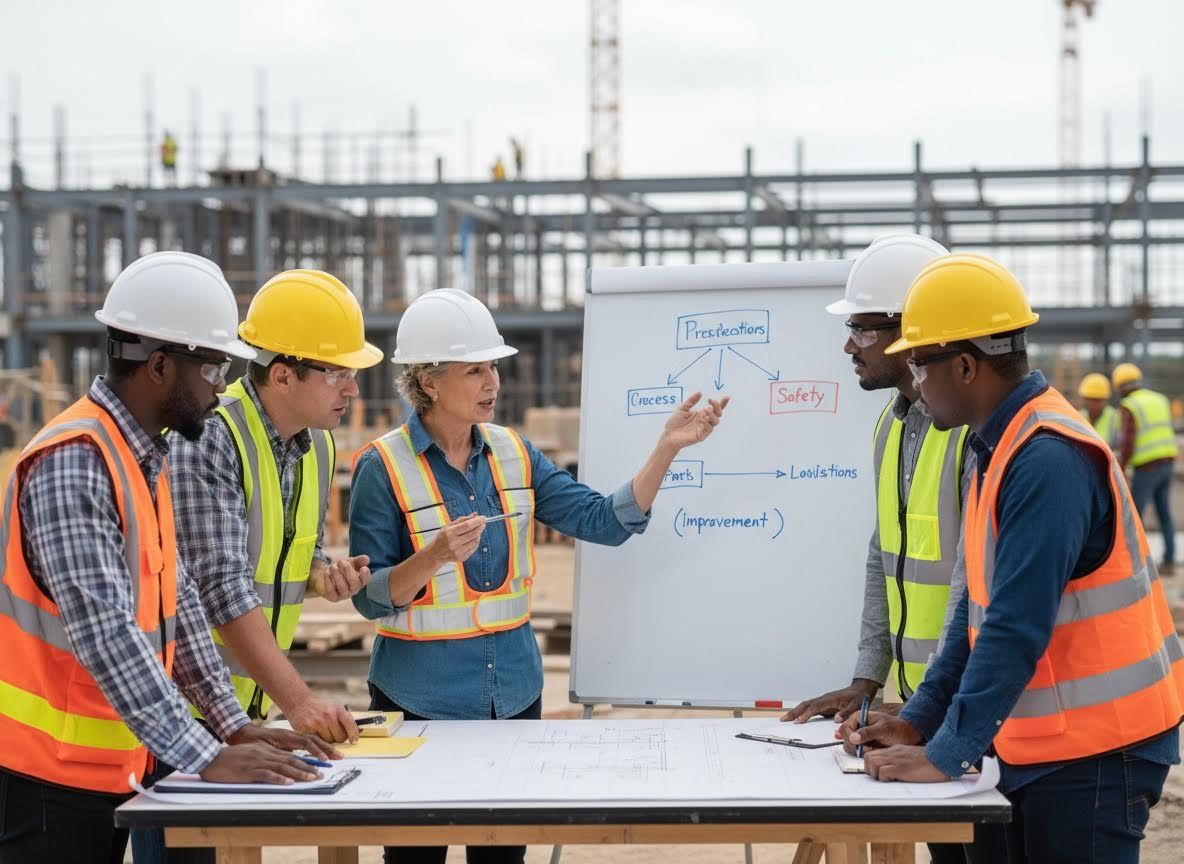
In today's dynamic business landscape, organizations constantly seek ways to enhance efficiency, safety, and overall human and organizational performance. True and lasting improvement doesn't merely stem from new policies or procedures; it thrives on a transformed culture where every team member is engaged and empowered. Fisher Improvement Technologies understands that building such a culture requires a strategic, collaborative approach, making facilitated improvement teams an invaluable asset for driving significant, positive change.
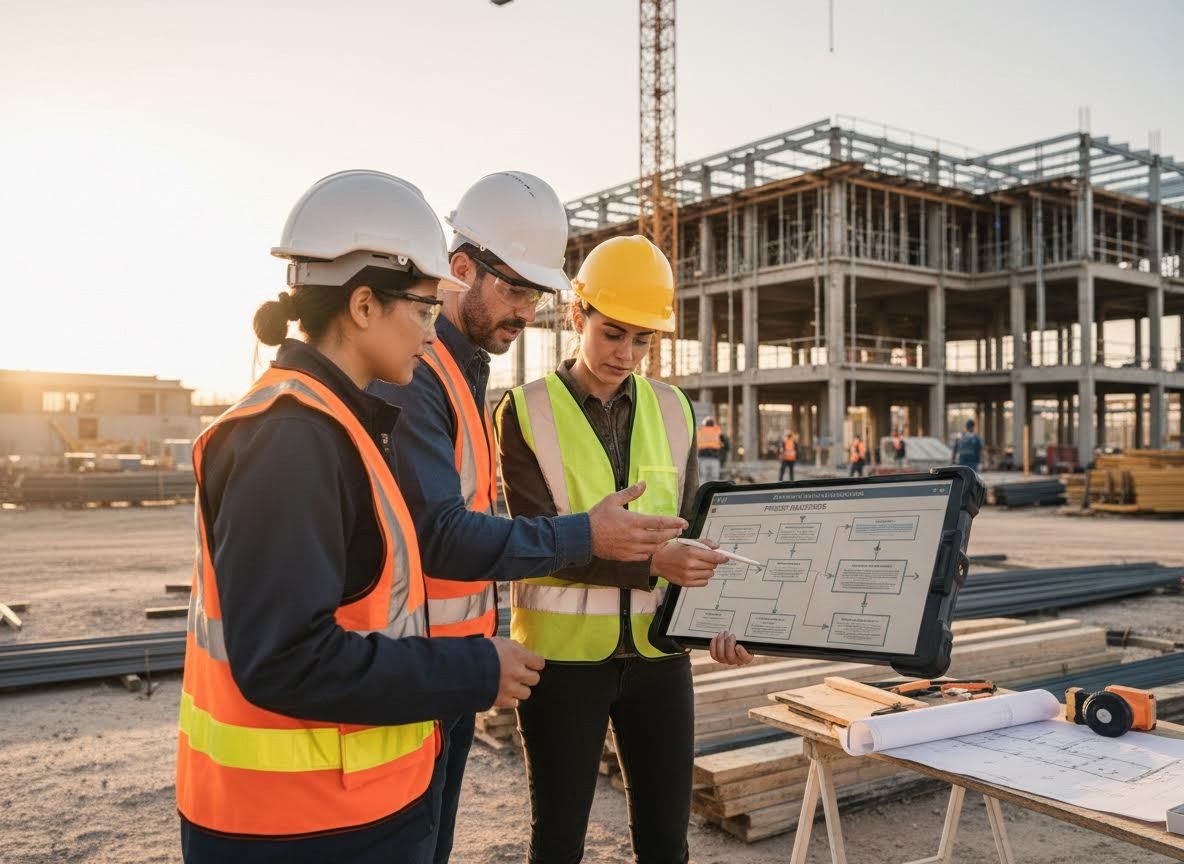
The Imperative of Cultural Transformation
Organizational culture acts as the bedrock for every aspect of a business, influencing productivity, morale, and safety. A culture that resists change or lacks mechanisms for continuous improvement can hinder progress, leading to stagnant processes and recurring issues. Transforming culture isn't a superficial exercise; it's about fundamentally shifting mindsets and behaviors to embrace excellence and proactivity. When a culture empowers its people to identify problems and contribute to solutions, the entire organization benefits from enhanced resilience and adaptability.
Change Through Facilitated Improvement Teams
Facilitated improvement teams are catalysts for cultural transformation, bringing together diverse perspectives and expertise from across an organization. These teams, guided by skilled facilitators, are tasked with dissecting operational challenges, identifying root causes, and co-creating sustainable solutions. This collaborative model ensures that improvements are not only well-conceived but also garner broad buy-in, making implementation smoother and more effective. By empowering employees at all levels, these teams foster a sense of ownership and accountability, crucial for embedding new practices, particularly in areas like workplace safety.

Driving Real Results: Prevent Incidents and Improve Performance
The impact of well-structured facilitated improvement teams extends directly to critical operational metrics. By systematically analyzing processes and developing targeted interventions, these teams are uniquely positioned to prevent incidents and contribute significantly to overall incident reduction. Incorporating principles of human and organizational performance (HOP) training further equips these teams with advanced tools and methodologies to understand human error and systemic vulnerabilities, moving beyond blame to create more robust and error-tolerant systems. This proactive, data-driven approach leads to tangible improvements in safety records, operational efficiency, and a stronger bottom line.
Effective cultural transformation is a continuous journey, powered by the collective intelligence and commitment of an organization's people. By championing facilitated improvement teams, businesses can cultivate a proactive culture where every individual contributes to excellence and safety. To learn more about how to establish and empower these transformative teams within your organization, explore resources that guide you in building a culture of continuous improvement and human and organizational performance.