

In today's complex operational environments, minimizing incidents is not just a goal; it's a critical imperative for ensuring long-term success and sustainability. Understanding the nuances of human and organizational performance is key to proactively preventing errors and fostering a culture of safety. Fisher Improvement Technologies is dedicated to helping organizations implement strategic frameworks that not only identify risks but also empower teams to prevent incidents before they occur. This article will explore vital strategies rooted in human and organizational performance principles designed to enhance your operational resilience.
Cultivating a Proactive Learning Culture
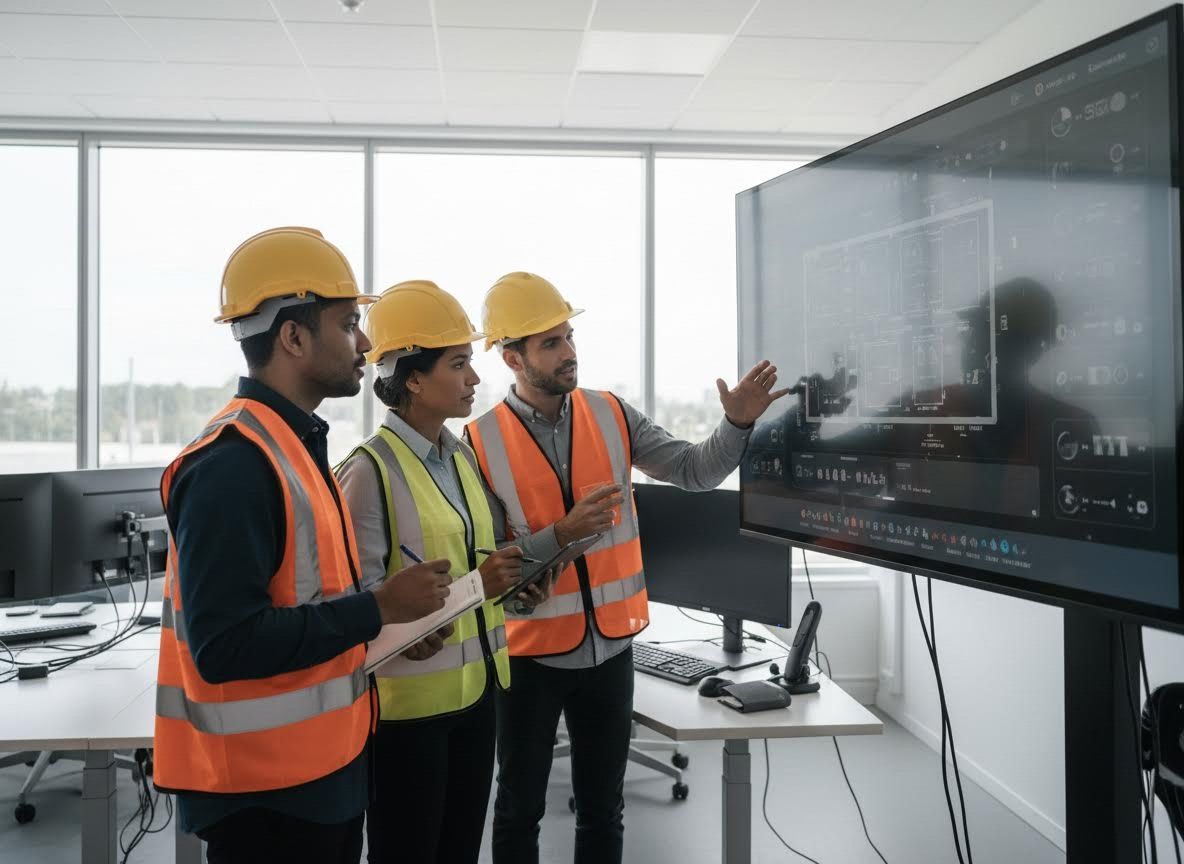
A foundational element in preventing operational incidents is shifting from a reactive approach to a proactive, learning-oriented culture. This involves actively seeking out opportunities for improvement before an incident forces a change. Organizations must encourage open communication, where employees feel safe reporting near misses and identifying potential hazards without fear of reprisal. By analyzing these precursors and understanding the systemic factors that contribute to them, companies can implement targeted interventions and refine their processes, significantly contributing to incident reduction and enhancing overall workplace safety.
Implementing Effective HOP Training
Robust hop training is indispensable for embedding human and organizational performance principles throughout an organization. This training goes beyond traditional safety briefings by focusing on how human cognition, organizational structures, and work environments interact to influence performance. Effective hop training equips individuals with the skills to identify critical control points, manage complexity, and make sound decisions under pressure. It emphasizes practical application, ensuring that learned principles translate directly into improved behaviors and processes on the ground, ultimately building a workforce better prepared to prevent incidents.

Leveraging System Thinking for Incident Reduction
Operational incidents are rarely the result of a single failure; they typically emerge from complex interactions within a system. Adopting a systems thinking approach means looking beyond individual mistakes to understand the broader organizational context, including policies, procedures, equipment, and culture. By mapping these interconnected elements, organizations can identify latent conditions that increase risk and develop holistic strategies for incident reduction. This comprehensive perspective allows for the design of more resilient systems that account for human variability and proactively prevent incidents from escalating into significant events.
Measuring and Sustaining Performance Improvements
To ensure long-term success in minimizing operational incidents, it's crucial to establish metrics that track improvements and identify areas needing further attention. This involves regularly auditing processes, analyzing incident data, and gathering feedback from all levels of the organization. Sustaining these improvements requires ongoing commitment, continuous learning, and adaptation based on performance insights. By consistently reinforcing human and organizational performance principles and adjusting strategies as needed, companies can cultivate an enduring culture of high reliability and workplace safety, leading to a significant and lasting impact on their operational outcomes.
Effectively minimizing operational incidents requires a dedicated and systematic approach grounded in human and organizational performance principles. By fostering a proactive learning culture, investing in comprehensive hop training, embracing system thinking, and diligently measuring progress, organizations can significantly improve their workplace safety and achieve substantial incident reduction. If you're looking to enhance your operational resilience and prevent incidents within your organization, we encourage you to explore resources that can guide your journey towards a safer, more efficient future.