

Operational excellence is more than just a buzzword; it's a comprehensive approach to achieving peak performance across all facets of an organization. At its core, it's about creating a culture of continuous improvement where everyone is committed to eliminating errors, increasing productivity, and maximizing safety. But what are the key elements that make up a truly effective operational excellence system?

Leadership Commitment and Alignment
Operational excellence starts at the top. Leaders must champion the journey, setting the vision, allocating resources, and fostering a culture that values improvement. This commitment needs to be visible and consistent, cascading down through all levels of the organization. Without strong leadership alignment, efforts can become fragmented and lose momentum.
A Culture of Continuous Improvement
This involves empowering employees at all levels to identify and address inefficiencies, errors, and safety concerns. It's about creating a safe space for experimentation and learning from mistakes. Regular reviews, feedback loops, and knowledge sharing are essential components of this culture. Methods like Facilitated Improvement Teams can be instrumental in fostering this environment.

Standardized Processes and Procedures
Clearly defined and documented processes are the backbone of any operational excellence system. Standardization reduces variability, minimizes errors, and ensures consistency in output. However, standardization should not stifle innovation. Instead, it should provide a solid foundation upon which improvements can be built. Techniques like Procedure and Process Excellence are useful for achieving this standardization.
Data-Driven Decision Making
Operational excellence relies on data to identify areas for improvement, track progress, and measure the impact of changes. This requires robust data collection and analysis systems, as well as the ability to translate data into actionable insights. Utilizing the correct data helps to reveal where efforts should be focused to reduce errors and increase productivity.

Focus on Human and Organizational Performance
People are at the heart of operational excellence. Understanding human factors, organizational dynamics, and the potential for human error is crucial. By addressing systemic weaknesses in the organization, such as inadequate training, poor communication, or flawed procedures, businesses can create a safer and more productive work environment. Human Performance (HP) and Human & Organizational Performance (HOP) principles are vital for this element.
Technology Integration
Technology can be a powerful enabler of operational excellence, automating tasks, improving data collection, and enhancing communication. However, technology should be implemented strategically, aligning it with the organization's overall goals and objectives. It's important to consider the human factors involved in technology implementation to ensure that it is user-friendly and effective.
Risk Management
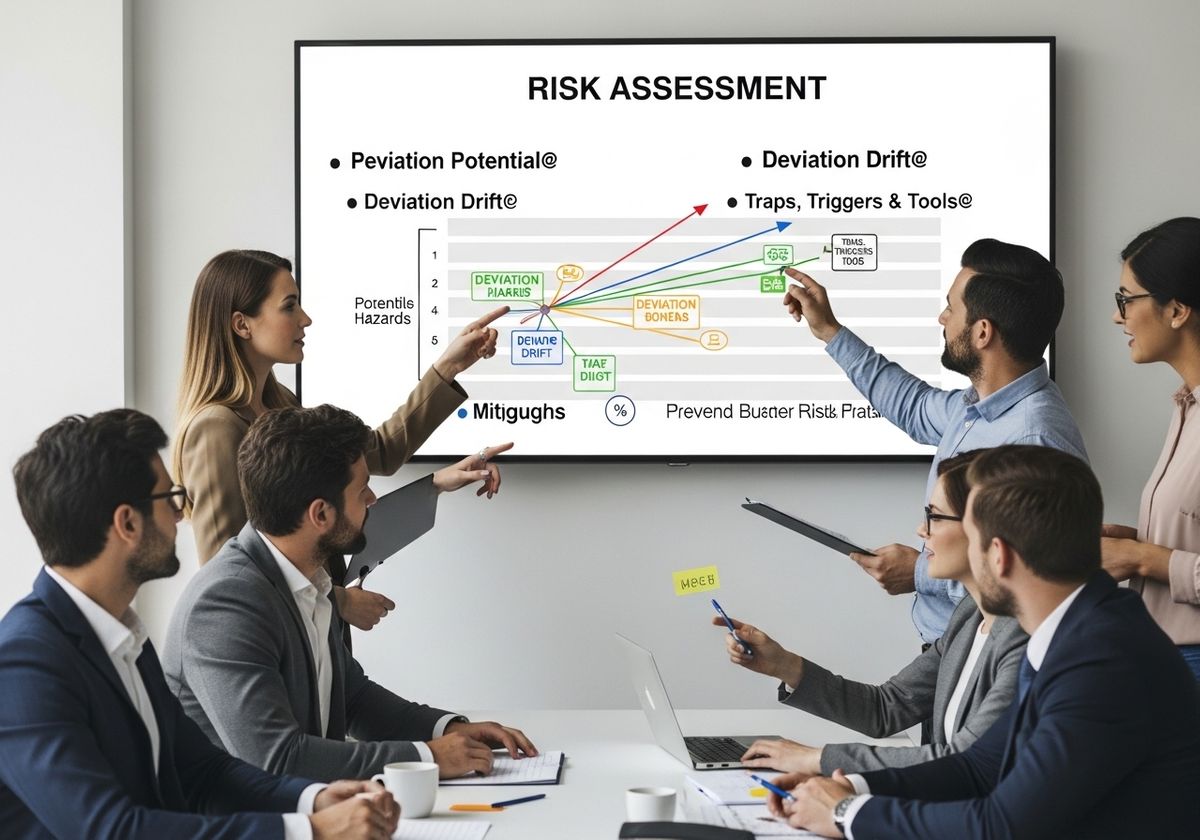
A proactive approach to identifying and mitigating risks is essential for preventing incidents and ensuring business continuity. This involves conducting thorough risk assessments, implementing controls, and regularly monitoring their effectiveness.
Implementing an operational excellence system is a journey, not a destination. It requires ongoing commitment, adaptation, and a willingness to learn and improve. By focusing on leadership, culture, processes, data, human performance, technology, and risk management, organizations can achieve significant gains in safety, quality, efficiency, and productivity.
These key elements, when integrated thoughtfully, create a robust framework for sustainable improvement. At Fisher Improvement Technologies (FIT), we understand the critical role each of these elements plays in achieving true operational excellence. We offer consulting, mentoring, education, and proven technologies to help your organization reduce errors, increase productivity, and achieve operational excellence. Explore our services in Human Performance (HP), Human & Organizational Performance (HOP), and Advanced Error Reduction in Organizations (AERO) to learn more about how we can help you on your journey to operational excellence. Contact us today to discuss your specific needs and discover how FIT can help you transform your organization.