
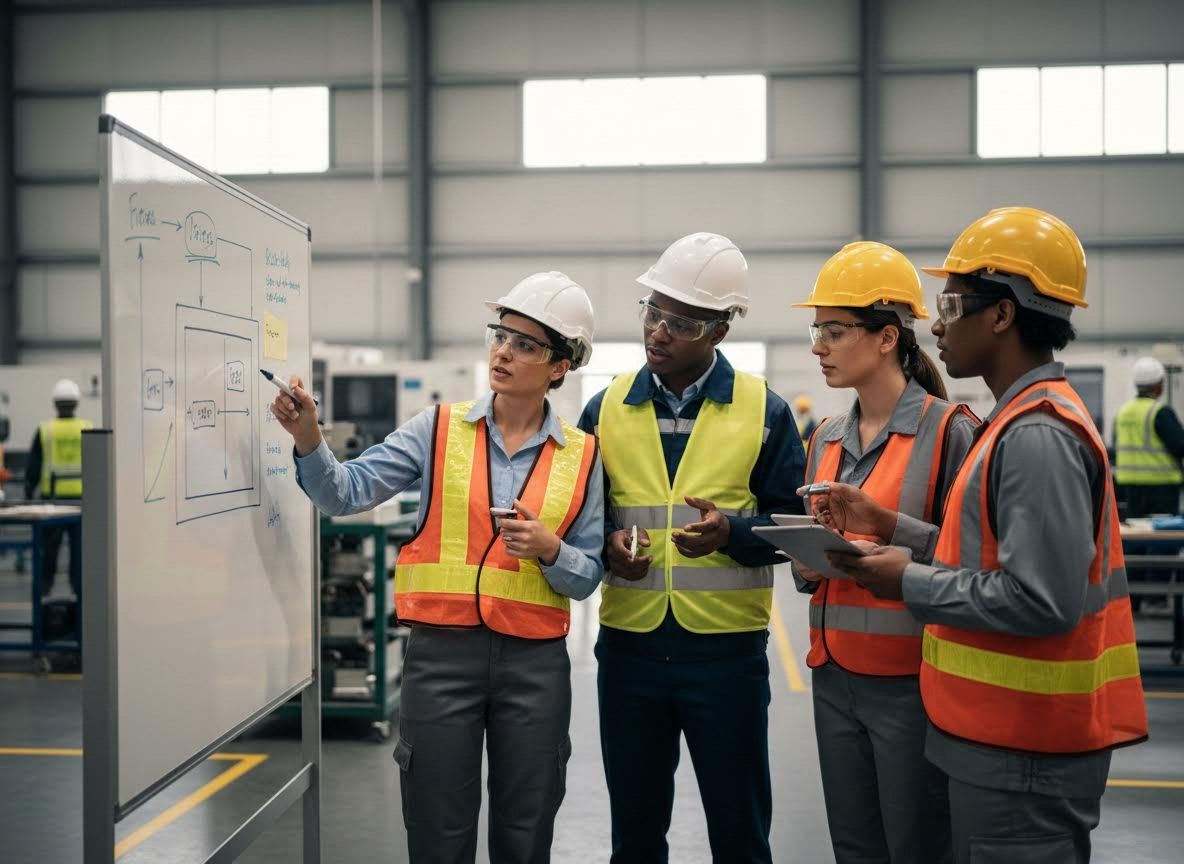
In today's complex operational environments, ensuring workplace safety is paramount, not just for compliance but for the well-being of every individual and the sustained success of the organization. Traditional safety approaches often focus on rules and reactions, but a more proactive and sustainable path lies in truly empowering teams. Fisher Improvement Technologies understands that the most effective safety cultures are built from within, by fostering an environment where every team member is an active participant in identifying, understanding, and mitigating risks. This approach moves beyond mere adherence to regulations, striving instead for genuine commitment and continuous improvement.
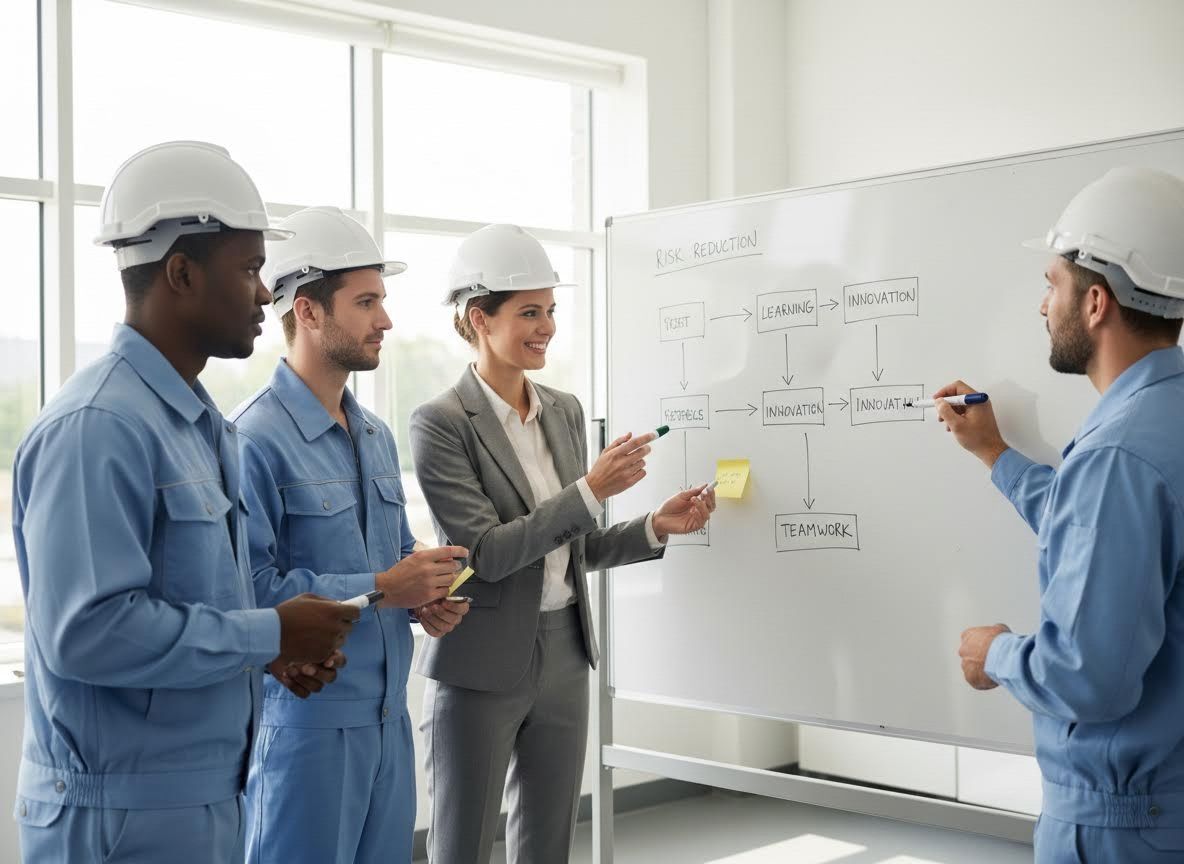
From Compliance to Empowerment
For decades, the standard approach to workplace safety often revolved around top-down directives, strict rules, and assigning blame after an incident. While necessary for foundational order, this model frequently fell short in truly addressing the underlying causes of risk and often did little to prevent incidents from recurring. Organizations are increasingly recognizing that sustained incident reduction requires a deeper understanding of human behavior and system dynamics. This shift necessitates moving towards principles of human and organizational performance, acknowledging that people are not just sources of error but critical assets in understanding and improving safety.
Facilitated Improvement
Facilitated improvement is a dynamic process that actively engages teams in identifying inefficiencies, understanding potential hazards, and collaboratively developing solutions to enhance workplace safety. It moves beyond simple suggestion boxes or reactive measures, instead creating structured opportunities for team members to analyze their own work processes. By providing teams with the right tools, methodologies, and expert guidance, they can dissect real-world scenarios, share insights, and propose practical changes that lead to significant incident reduction. This method recognizes that those closest to the work often possess the most valuable insights into how to prevent incidents effectively.
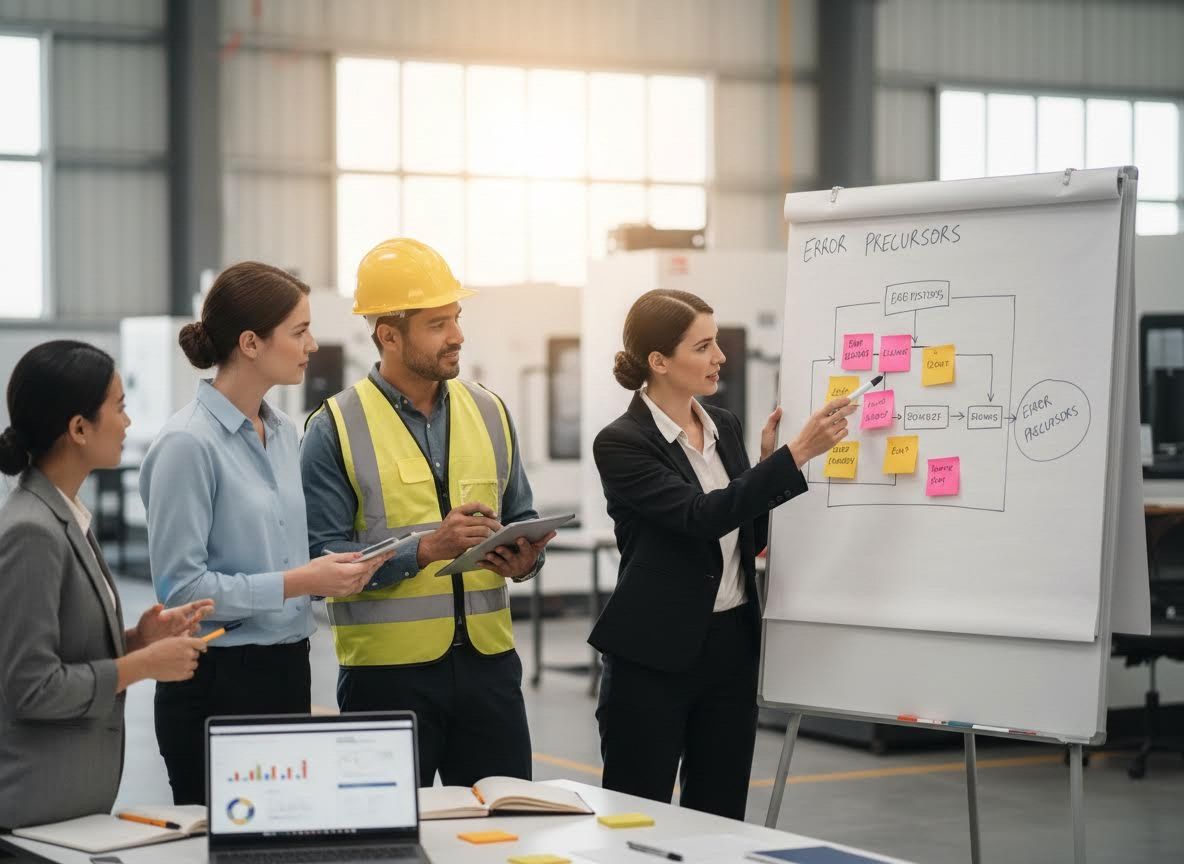
The Power of Human and Organizational Performance Training
To truly empower teams, organizations must invest in equipping their people with the right knowledge and skills. This is where specialized hop training becomes invaluable. Such training goes beyond basic safety orientations, delving into advanced concepts like error precursors, cognitive biases, and organizational influences on human behavior. It teaches teams how to critically evaluate events, conduct thorough learning, and implement sustainable solutions. This specialized knowledge transforms team members into proactive problem-solvers, fostering a culture of continuous learning and improvement that is essential for achieving exceptional workplace safety and sustained incident reduction.
Cultivating a Proactive Safety Culture
The ultimate goal of empowering teams through facilitated improvement is to cultivate a proactive safety culture where risks are anticipated and addressed before they manifest as incidents. By integrating facilitated improvement techniques and robust hop training into daily operations, organizations foster an environment where safety is a shared responsibility and a continuous journey of learning. This approach not only helps prevent incidents but also enhances operational efficiency, boosts morale, and reinforces a company's commitment to its most valuable asset: its people.
Empowering your teams through facilitated improvement is not just a strategic choice; it is a commitment to fostering a resilient and high-performing workplace safety culture. Fisher Improvement Technologies is dedicated to helping organizations achieve this through expert guidance and tailored human and organizational performance solutions. To learn more about how to strengthen your team's capabilities and drive meaningful incident reduction, explore our comprehensive training and consulting services.