
Traditional incident investigations often stop at "human error," but at Fisher Improvement Technologies (FIT), we recognize that error is a symptom, not a cause. By shifting toward a HOP-based cause analysis, we focus on the systemic factors that influence behavior. This approach allows us to build more resilient safety management systems by understanding the "why" behind the "what" during any workplace incident.
How to Conduct HOP-Based Cause Analysis for Incidents

Integrating HOP Training into Investigations
Effective cause analysis begins with comprehensive hop training for your investigative team. We believe that when leaders understand human performance principles, they stop looking for someone to blame and start looking for broken processes. Integrating these concepts into your safety management systems ensures that every incident becomes a vital learning opportunity for the entire organization.

Prioritizing HOP Safety Over Individual Blame
We emphasize that hop safety is about building defenses rather than fixing people. During an analysis, we examine the latent organizational weaknesses that allowed an error to occur. By focusing on these systemic gaps within our safety management systems, we create a culture where employees feel safe sharing the messy details of their daily work.
Analyzing Local Constraints and Context
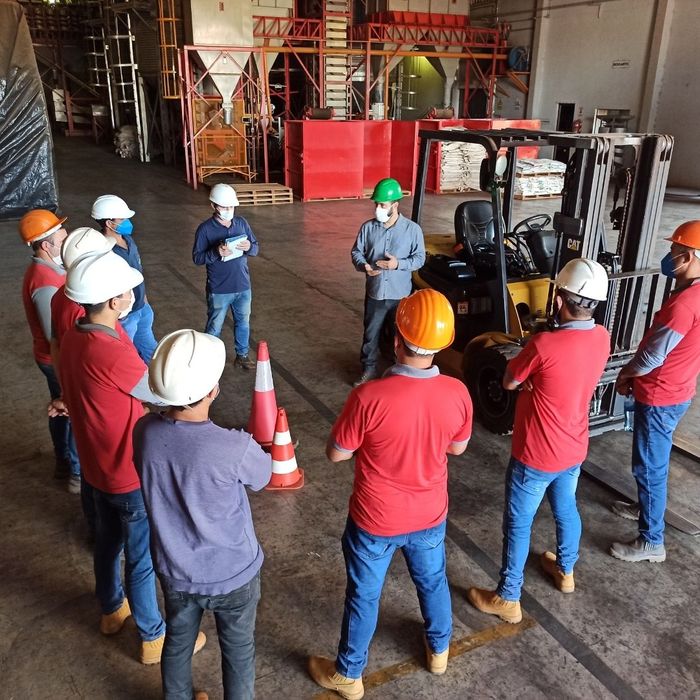
Through specialized hop training, we teach teams to map the local constraints present at the time of an incident. Understanding the pressures and tools available to workers is essential for hop safety. When we analyze the context, we often find that the "shortcut" taken was actually a necessary adaptation created by misaligned safety management systems.
Building Robust Learning Teams
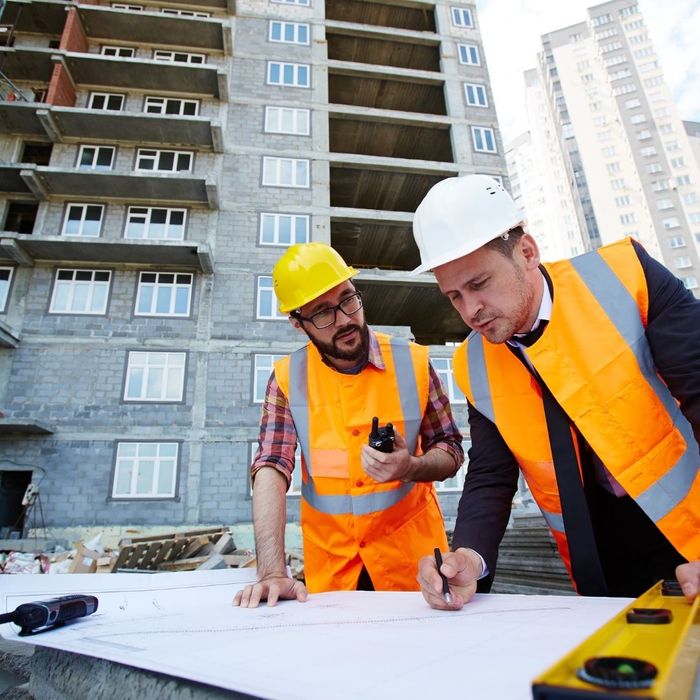
The final step in our process involves using hop training to facilitate learning teams. These groups bring together frontline workers and management to identify sustainable solutions that enhance hop safety. By collaborating on these improvements, we ensure that our corrective actions are practical, effective, and fully supported by those who do the work every day.
Transitioning to a HOP-based cause analysis requires a fundamental shift from seeing workers as a problem to be controlled to seeing them as a solution to be harnessed. By focusing on systemic context and learning, we help organizations move beyond surface-level fixes to achieve lasting operational excellence. Fisher Improvement Technologies (FIT) provides the expertise and tools necessary to integrate these principles into your existing framework. We invite you to explore our resource library to learn more about modern investigation techniques and contact us to discuss how we can support your journey toward a more resilient safety culture.